

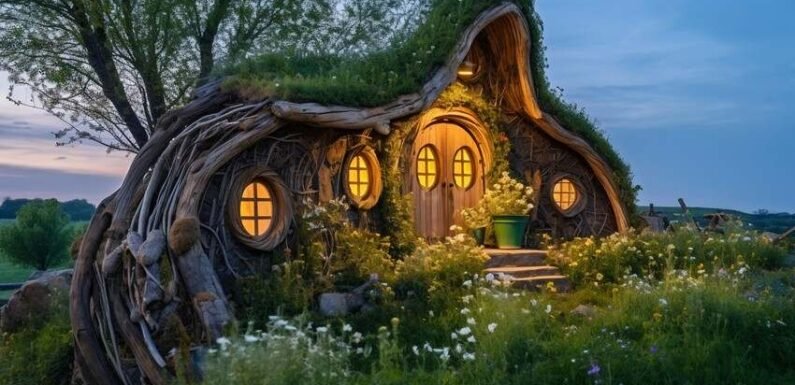
Living close to nature is becoming more popular. People want greener, peaceful homes. They dream of a simple life away from the noise. This desire brings attention to unique home designs. One rising trend is Hobbit-style homes. They look magical, like scenes from fantasy worlds. They blend into the earth and feel warm, cozy, and natural.
In recent years, eco-housing has experienced rapid growth. Sustainability is now a priority for families and builders. Wood, clay, and earth-based materials are now popular choices. People want homes that consume less energy and harm the planet less. Hobbit houses deliver all of this. They are charming, affordable, and eco-friendly. We are now entering a new era of earth-inspired homes. This article will explore the Top Trends in Hobbit Houses in 2026 and how they shape green living.
Why Hobbit Houses Are Trending in 2026
The modern world is busy and stressful. Many people want a quiet life connected to nature. Hobbit houses are perfect for such lifestyles. They offer harmony with the land. Their round doors, grassy roofs, and natural textures create a fairy-tale vibe. They use earth-sheltered structures for insulation. This lowers heating and cooling needs. It also reduces electricity bills.
Another reason for popularity is sustainability. Eco-materials are more available now. Builders are shifting from concrete to natural elements. The world is choosing green solutions. Hobbit homes match this new outlook perfectly.
Top Trends in Hobbit Houses in 2026
Below are the leading design and lifestyle trends shaping these magical homes.
1. Earth-Sheltered Designs
Most hobbit-style homes are built into hills or covered with soil. This improves temperature control. It reduces energy use. Earth walls keep homes cool in summer and warm in winter.
2. Living Green Roofs
Green roofs are now a must-have. They contain grass, plants, or even small herb gardens. These roofs reduce heat absorption. They also support rainwater absorption and biodiversity.
3. Natural Building Materials
Wood, clay, straw, and stone are returning in demand. These materials are sustainable and long-lasting. They add rustic charm and create healthier interiors.
4. Compact and Minimal Living
Hobbit homes focus on minimalism. They do not rely on a huge space. Instead, they focus on smart layouts and comfort. Small homes mean less waste and lower building costs.
5. Energy-Efficient Systems
Solar panels, LED lighting, and natural ventilation are trending. Many homeowners now use off-grid systems. They enjoy independent energy consumption and lower monthly bills.
6. Round Door Architecture
The iconic circular door continues to stay popular. It adds character and a storybook feel. Builders now offer modern security and insulation in round-door designs.
7. Eco-Friendly Interiors
Inside designs now use recycled furniture and natural fabrics. Earth-tone décor creates calm and peaceful spaces. Clay-painted walls are also gaining attention.
8. Underground Guest Rooms
New Hobbit designs include additional underground rooms. They work as guest rooms, reading corners, or creative studios. These spaces feel private and cozy.
9. Garden-Integrated Layouts
Many Hobbit houses include gardens in their structure. Some even have indoor garden spaces. Plants improve air quality and mental wellness.
10. Rainwater Harvesting Systems
Builders now install rainwater collection systems. This supports self-sufficient living. Water is stored and filtered for gardening or daily use.
11. Luxury Hobbit Homes
Not all hobbit homes are tiny. Some modern versions are luxurious. They include heated floors, smart lighting, and modern bathrooms. Eco-living is now stylish too.
12. Community Hobbit Villages
People now build Hobbit House communities. These villages focus on shared gardening, clean living, and nature bonding. They encourage a peaceful social life.
13. Story-Inspired Aesthetics
Fans of fantasy films love themed décor. Hand-carved wooden furniture, lanterns, and stone paths create cinematic charm. Many owners design homes like real Middle-Earth sets.
14. DIY Hobbit Home Kits
Home kits are more available now. They allow people to build their own hobbit homes with guidance. This reduces cost and gives a personal touch.
15. Virtual House Planning Tools
Technology now helps with 3D designing. Owners can plan layouts using software. They can test colors, shapes, and lighting before building.
These trends reflect how nature and creativity join in 2026. Hobbit-style homes break the limits of traditional architecture. They are not just houses. They are lifestyle choices. They welcome slow living, peace, fresh air, and simplicity.
Benefits of Hobbit Houses
There are many advantages to living in a hobbit house.
- Lower energy bills due to earth insulation
- Eco-friendly construction materials
- Unique and charming appearance
- Enhanced connection to nature
- Comfortable indoor temperature
- Affordable building options
These features make hobbit houses ideal for green living. Many families now choose them for vacation homes. Some build them as permanent homes or rental cabins. They work well in rural landscapes and countryside areas.
Life Inside a Hobbit House
Life inside is calm and cozy. You wake to birds singing and a fresh breeze. Soft lighting fills the room. The interior feels warm due to natural textures. The round spaces create comfort and harmony. Many homeowners describe it as stepping into a fairy world.
Families spend more time outdoors. They enjoy gardening and nature walks. Stress levels reduce. People live more slowly and are happier. These homes encourage mindful living.
Future of Hobbit Houses in 2026 and Beyond
The future looks bright. Eco-living continues to grow. More countries support green housing. Builders are researching better, more sustainable methods. Technology will also improve construction. We might soon see smart Hobbit homes powered by renewable energy.
More designs will appear with modern and natural blends. People will choose them for their uniqueness and safety. As climate awareness grows, these eco dwellings may become more mainstream. The world may see Hobbit house resorts and eco-communities rise.
Hobbit Houses in 2026 stand as a symbol of green dreams and peaceful living. They represent a balance between nature and comfort. We are entering a new era where homes are part of the land. Not above it.
Conclusion
Hobbit houses bring fantasy into real life. They offer eco-friendly living, energy savings, and magical aesthetics. In 2026, many new trends will shape their growth. From green roofs to underground rooms, the designs are creative and sustainable. These homes fit perfectly with modern eco goals. They inspire slow, mindful living.
As more people seek peace and nature, these homes will thrive. The future of living may not be tall concrete towers. It may be small, round doors hidden in green hills. A magical new chapter begins with Hobbit-style homes.
FAQs
1. Are Hobbit houses expensive to build?
Costs depend on size and materials. Small designs can be affordable.
2. Can Hobbit houses survive harsh weather?
Yes. Earth insulation offers strong protection and temperature control.
3. Do they require special building permits?
It varies by country or region. Always check local requirements.
4. Can a family live full-time in one?
Yes. Many people now use them as permanent homes.
5. Do Hobbit homes support modern amenities?
Yes. You can add electricity, internet, plumbing, and smart systems.

Tech World Times (TWT), a global collective focusing on the latest tech news and trends in blockchain, Fintech, Development & Testing, AI and Startups. If you are looking for the guest post then contact at techworldtimes@gmail.com